Dental Implant Costs by Treatment Type
Because implant treatment varies so much from patient to patient, there’s no single price that applies to everyone. Here’s a general breakdown by treatment type to give you a starting point, though your exact cost depends on the specifics of your case:
- Single-Tooth Implant (implant, abutment, and crown): typically $3,000 to $5,000
- Implant-Supported Bridge: typically $5,000 to $15,000, depending on how many teeth are being replaced
- Implant-Supported Dentures: cost depends on whether you need a partial or full arch and how many implants support it; we’ll provide an exact range at your consultation
- All-on-4® Full-Arch Implants: typically $20,000 to $50,000 per arch
- Mini Dental Implants: typically $500 to $1,500 per implant
A complete treatment plan, built around your imaging and health history, is the only way to determine the accurate investment for your specific situation.
Factors That Influence the Price of Dental Implants
Several elements affect the overall expense of dental implant treatment beyond just the type you choose:
- Number of Implants: Replacing a single tooth is less expensive than replacing multiple teeth or a full arch.
- Implant Material: Titanium is the most common and typically the more cost-effective choice; zirconia implants exist as an alternative but generally cost more.
- Brand of Implant: Established manufacturers with extensive research and development behind their products may carry a higher price than lesser-known brands.
- Size and Type of Implant: Specialized implants, such as mini implants, have their own pricing structure separate from standard implants.
- Location of Implant Placement: Implants in the front of the mouth often require more precision and customization for a natural appearance, which can affect cost compared to implants placed further back.
- Necessary Pre-Implant Procedures: Bone grafting or periodontal treatment to address gum disease may be needed before implant placement, adding to the overall cost.
- Anesthesia and Dental Sedation: Local anesthesia is generally less costly than IV sedation.
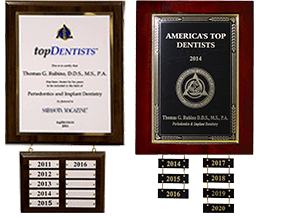
- Dentist’s Skill and Standing: Choosing an experienced implant specialist may mean a higher upfront fee, but it often means fewer complications and less corrective treatment down the road.
- Geographic Location: Implant costs vary regionally; ours reflect the Bradenton, Sarasota, and Parrish market specifically.
- The Abutment and Final Restoration: The visible portion of your restoration, whether a crown, bridge, or denture, is priced separately from the implant post itself.
Additional Costs to Plan For
Beyond the core implant procedure, a few related costs are worth budgeting for:
-
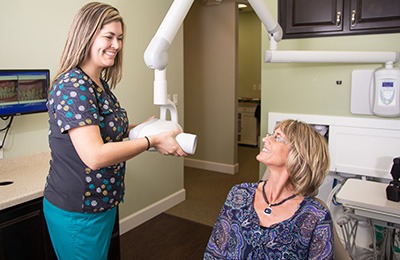
Our staff are very friendly and keep you comfortable during procedures.
Consultation and Examination: An initial evaluation typically ranges from $50 to $300, though we offer a $79 New Patient Special that covers a comprehensive exam, X-rays, and consultation, a $529 value.
- X-rays and Imaging: Panoramic X-rays typically range from $100 to $250, and cone beam CT (CBCT) scans range from $150 to $750. We use both to plan your treatment with precision.
- Follow-Up Care: Post-operative appointments are part of monitoring dental implant healing and ensuring the long-term success of your implant.
Insurance and Financing Options
Dental Insurance
Coverage for implants varies significantly by plan. Original Medicare generally does not cover dental implants, though some Medicare Advantage plans include dental benefits that may contribute. We recommend reviewing your specific plan details or asking our team to help verify your coverage.
Financing Through CareCredit
We work with CareCredit® to offer payment plans that make treatment more manageable, letting you spread the cost of implants over time rather than paying the full amount upfront.
Programs for Veterans and Reduced-Cost Care
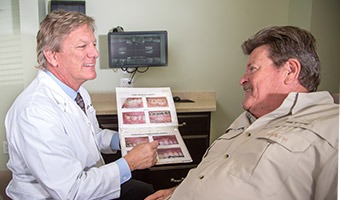 Dr. Ryan Rubino’s Smile Makeover program provides local veterans, selected through the VA, with dental implants at no cost as part of our practice’s charitable giving. Beyond that, reduced-cost or free dental implants may be available through other government and nonprofit programs, particularly for veterans or patients with financial need. Public health clinics, dental schools, and charitable organizations are worth researching, though eligibility varies by program and location.