
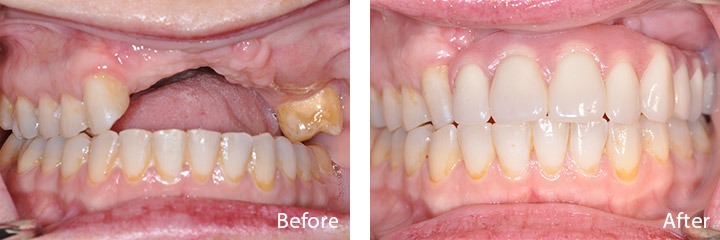
Wondering What to Expect From Dental Implant Surgery?
Undergoing a dental implant procedure can feel intimidating if you don’t know what to expect. At Rubino Periodontics and Implant Dentistry, Drs. Ryan, Tyler, and Thomas Rubino walk every patient through each step before treatment begins, so there are no surprises. Patients throughout Bradenton, Sarasota, and Parrish, as well as Tampa and North Port, choose our practice for implant surgery that’s precise, minimally invasive, and comfortable from start to finish.
Call 941-201-3055 for Sarasota/Lakewood Ranch, 941-209-5052 for Bradenton, or 813-331-5845 for Parrish to schedule your consultation.
A Surgical Team With Decades of Placement Experience
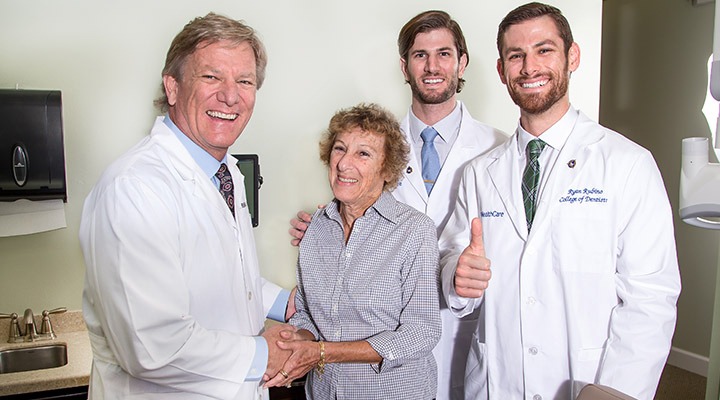 Rubino Periodontics and Implant Dentistry has been placing dental implants since 1990, giving Drs. Thomas, Ryan, and Tyler Rubino more than three decades of combined hands-on surgical experience across thousands of cases. That experience shows up most in the details patients don’t always think to ask about: our two Registered Nurses review your full medical history and coordinate with your primary care physician ahead of surgery.
Dr. Ryan Rubino’s own published graduate research focused specifically on managing bleeding risk in patients on anticoagulant or antiplatelet medications during oral surgery. Combined with computer-guided 3D CT planning for implant placement, this means the procedure outlined above reflects specific clinical research and decades of refinement by the doctors performing it.
What Happens During a Dental Implant Procedure?
A dental implant is a titanium post placed into the jawbone to replace a missing tooth root. Once the implant fuses with the bone through osseointegration, an abutment connects it to a custom crown, bridge, or denture. The full process typically unfolds over several months and involves the following stages.
Initial Consultation and Imaging
Your implant journey starts with a comprehensive evaluation. We take digital X-rays and, when needed, a cone beam 3D CT scan to assess your jawbone density and plan implant placement with precision. This is also when we determine whether any supplemental procedures will be necessary before your implants can be placed.
Supplemental Procedures: Bone Grafting and Soft Tissue Grafting
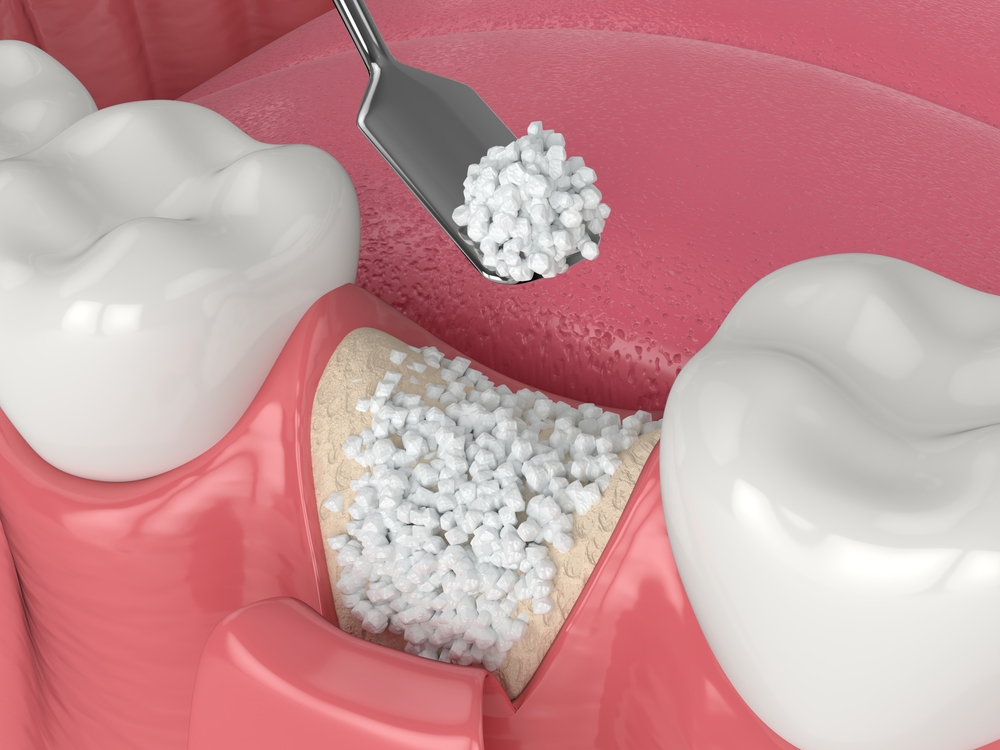 Not every patient has enough jawbone density for implant placement right away. If you’ve experienced bone loss, we may recommend bone grafting to rebuild the area and create a stable foundation. This involves placing graft material into the implant site to stimulate new bone growth using minimally invasive techniques. In some cases, a soft tissue graft is also needed to restore gum tissue around the implant site before healing can begin properly.
Bone grafting and sinus lifts add time to the overall treatment timeline, generally three to six months for the graft to integrate before implants can be placed. Visit our bone grafting and sinus lifts page for a closer look at these procedures.
Comfortable Tooth Extractions
If a damaged tooth needs to be removed before implant placement, we use a gentle technique that releases the tooth from the surrounding connective tissue with minimal disruption to the gum and bone. Extracting a tooth this way means less swelling, faster healing, and less preparation needed at the implant site. Learn more on our tooth extractions page.
Sedation Options for Your Comfort
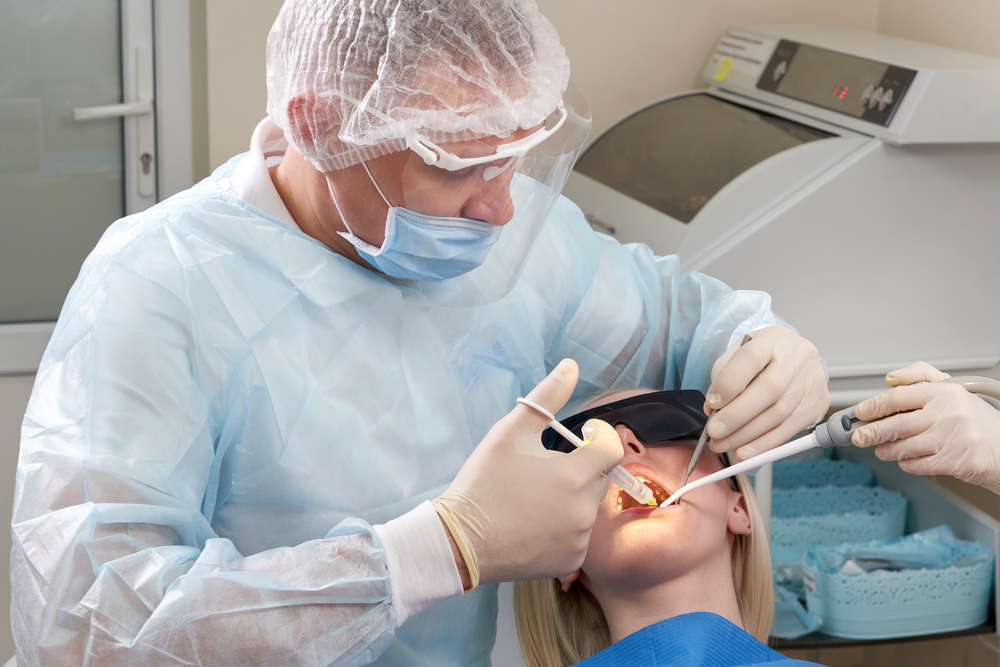 We understand that dental anxiety keeps many patients from seeking treatment they need. Local anesthesia is used for all implant placements, and injections are administered slowly to minimize sensation. For patients who want additional comfort, we offer several sedation options, discussed in detail during your consultation. We also provide pillows, blankets, and wireless headphones in the treatment chair to help you relax throughout the procedure. Visit our sedation dentistry page to see which option might be right for you.
Implant Placement
Implant surgery is typically performed as an outpatient procedure under local anesthesia, with IV sedation available if needed. A small incision exposes the jawbone, where the implant post is placed using computer-guided surgical technology to ensure accurate depth, angle, and positioning.
Recovery and Osseointegration
After placement, the implant needs time to fuse with the jawbone, a process called osseointegration that generally takes three to six months. Most patients return to normal activities within a few days, though a soft food diet and diligent aftercare are important during this window. Mild swelling and discomfort are common and typically manageable with over-the-counter pain relief.
Final Restoration
Once osseointegration is complete, you’ll return to our office for your final restoration appointment, where we attach your custom crown, bridge, or denture to the implant. From this point forward, your new teeth function much like natural ones.
Caring for Your Implant After Surgery
Following your surgeon’s aftercare instructions closely gives your implant the best chance of long-term success. This includes managing swelling with cold compresses, sticking to a soft food diet during initial healing, avoiding smoking and alcohol, and maintaining gentle oral hygiene as directed. For a full daily care routine once you’ve healed, visit our dental implant maintenance page.