

If you’ve had previous dental implants and are having problems with them, come see our dental experts today and get your issues skillfully diagnosed.
Boost Dental Implant Success Rates With Our Experienced Implant Specialists
Dental implants are widely regarded as the gold standard for tooth replacement, successfully mimicking the structure and function of natural teeth. With their remarkable 95% long-term success rate, they’ve become the preferred solution for patients seeking to restore their smiles permanently. However, like any surgical procedure, dental implants carry some risks that informed patients should understand.
While dental implant failure and complications remain relatively uncommon, being educated about potential issues ensures you can seek prompt treatment if needed. Should you notice anything unusual during your treatment or recovery, we encourage you to contact our Bradenton/Sarasota dental office immediately. Patients from Tampa, Largo, and Palmetto are invited to experience our comprehensive approach to implant care.
Call to request an appointment: Sarasota/Lakewood Ranch 941-201-3055 • Bradenton 941-209-5052 • Parrish 813-331-5845.
$79 New Patient Special Offer for Rubino Periodontics and Implant Dentistry
If you are experiencing any signs of dental implant complications, trouble with dental implants, or dental implant failure, take advantage of our New Patient Special Offer. Schedule a consultation with Drs. Ryan, Tyler, or Thomas Rubino for a comprehensive oral exam and evaluation.
What Your Consultation Includes:
- Panoramic Digital X-rays (as needed)
- CT scan (as needed)
- Periodontal probing and charting
- Comprehensive oral exam
- Oral cancer screening
- Consultation with the doctor
- Discuss your treatment options (during free 2nd appointment)
- Get all your questions answered
Has another dentist ignored your dental implant concerns? Have you been told you don’t qualify for implants? We offer free consultations for when you need a second opinion from an implant dentist near you.
We aren’t just accepting new patients. At Rubino Periodontics and Implant Dentistry, Dr. Rubino wants new patients to feel welcome, without the pressure to commit before you have the information you need.

Recognizing Signs of Dental Implant Problems
Early detection is crucial for addressing dental implant complications effectively. Contact our dentist’s office if you experience any of these warning signs:
Visible Signs:
- The gums around the implant are red or bluish-purple (evidence of inflammation)
- Swelling after the dental implant procedure that persists or worsens
- A bump on gum tissue around the implant site
- The threads of the implant post become visible
- Dark gums around implant areas
Physical Symptoms:
- Persistent pain or dental implant sensitivity to cold temperatures
- Implants bleeding at the gumline when brushing
- Pus coming from the gums after dental implant surgery
- The implant feels loose or mobile
- Difficulty chewing or biting
Common Causes of Dental Implant Failure
Understanding what leads to dental implant failure helps patients take preventive measures:
Peri-implantitis (Tooth Implant Infection)
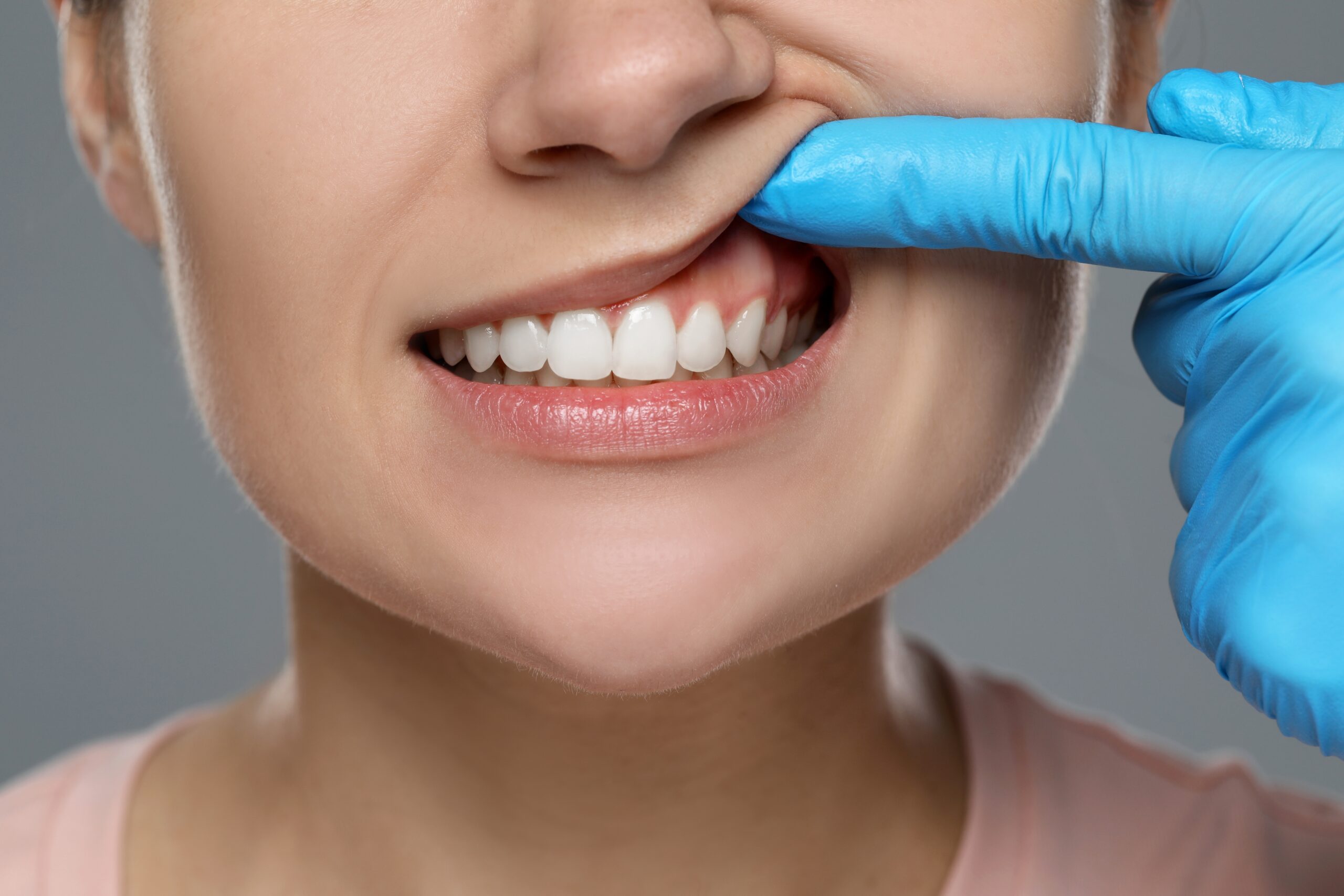 Peri-implantitis represents a specialized form of gum disease affecting the tissue around dental implants. This bacterial infection impacts both the gums and supporting bone, potentially leading to implant failure if left untreated.
Contributing factors include:
- Poor oral hygiene
- Smoking
- Underlying health conditions such as diabetes
- Dental cement leakage from the implant crown
- Bite misalignment creating excessive pressure
Osseointegration Failure
Successful dental implants depend on osseointegration – the process where the implant fuses with your jawbone. When this critical process fails, implants may become loose or unstable. Factors affecting osseointegration include:
- Insufficient bone density
- Improper implant placement
- Excessive force applied too early in healing
- Underlying medical conditions affecting bone growth and/or jawbone health
Implant Overloading
Premature placement of crowns, bridges, or dentures before proper healing can destabilize implants. Additionally, excessive biting forces from teeth grinding (bruxism) or trauma can compromise implant stability.
Implant Fractures
While designed for durability, dental implants can fracture under excessive force, such as:
- Biting down on hard objects
- Jaw injuries or trauma
- Chronic teeth grinding
- Accidental impact
Surgical Complications
Improper implant placement may result in:
Nerve or Tissue Damage:
- Numbness, tingling, or pain in lips, tongue, or chin
- Inflammation, bleeding, or infection of surrounding tissues
Sinus Problems: For upper jaw implants, inadequate bone support may cause the implant to protrude into sinus cavities, potentially causing sinus infections or sinusitis.
Allergic Reactions
Though rare, some patients may experience allergic reactions to titanium or other implant materials, ranging from mild skin reactions to more severe systemic responses.
Risk Factors for Teeth Implant Complications
Several factors can increase the likelihood of problems with dental implants:
Lifestyle Factors:
- Smoking (increases failure risk by 10-20%)
- Poor oral hygiene
- Excessive alcohol consumption
Medical Conditions:
- Uncontrolled diabetes
- Autoimmune disorders
- Osteoporosis
- Cancer treatments
- Certain medications (blood thinners, bisphosphonates)
Oral Health Issues:
- Pre-existing gum disease
- Insufficient bone density
- Chronic teeth grinding (bruxism)
Age-Related Factors:
- Natural changes in bone density
- Slower healing processes
Treatment Options for Failing Dental Implants
 Non-Surgical Treatments
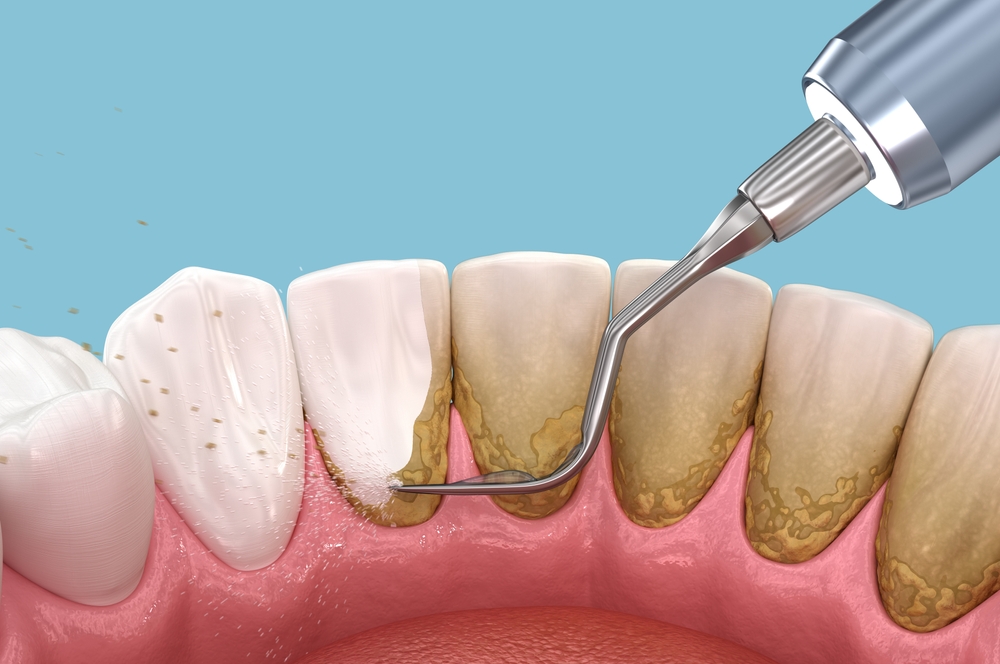
- Professional scaling and root planing to address bacterial infections
- Antibiotic therapy (oral or topical)
- Periodontal laser therapy to disinfect affected areas and promote healing
- Custom night guards for patients with bruxism
 Surgical Interventions
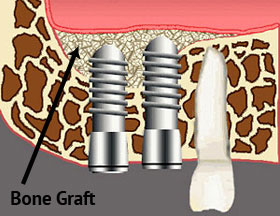
- Bone grafting to rebuild lost bone support
- Soft tissue grafting to address gum recession
- Implant removal and replacement when necessary
- Advanced regenerative procedures
LANAP/LAPIP For Saving Failing Dental Implants
What is LAPIP?
LAPIP (Laser-Assisted Peri-Implantitis Procedure) is a specialized application of laser therapy designed specifically to treat peri-implantitis and save failing dental implants. This innovative treatment uses the same PerioLase MVP-7 laser technology as LANAP but is specifically adapted for treating infected tissue around dental implants.
At our multi-location dental practice in Florida, our Sarasota, Sun City, and Bradenton dentists have had good success using the LANAP/LAPIP protocol to treat and save failing implants. It’s non-invasive and does not require any cutting or stitches.
How LAPIP Saves Failing Implants
Peri-implantitis is similar to gum disease but affects the tissues surrounding dental implants. Without treatment, this bacterial infection can lead to bone loss and eventual implant failure. LAPIP works by:
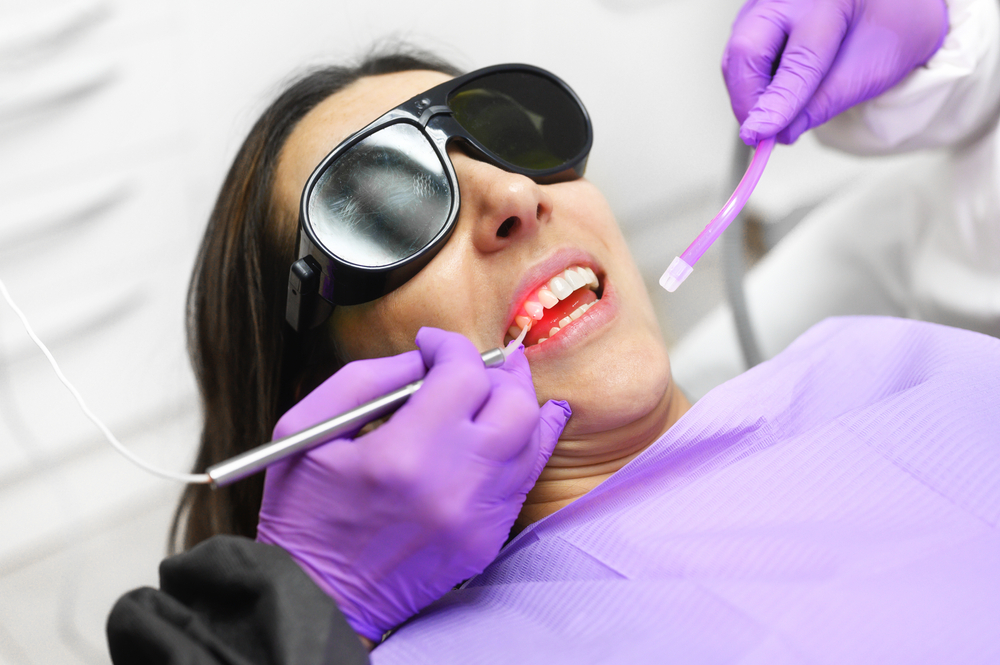 Eliminating Bacteria: The laser penetrates deep into the infected tissues around the implant, killing harmful bacteria that cause peri-implantitis.
- Removing Infected Tissue: Diseased tissue around the implant is precisely removed while preserving healthy tissue and the implant itself.
- Decontaminating the Implant Surface: The laser effectively decontaminates the implant surface without damaging the titanium structure.
- Promoting Regeneration: The treatment stimulates the regrowth of healthy bone and soft tissue around the implant, helping to re-establish a stable foundation.
- Creating a Sterile Environment: The laser seals the treated area, preventing reinfection and promoting optimal healing.
Candidates for LAPIP Treatment for Peri-implantitis
LAPIP may be recommended for patients who have:
- Diagnosed peri-implantitis around one or more dental implants
- Bleeding, swelling, or pain around implant sites
- Bone loss visible on X-rays around implants
- Implants that have become loose or mobile
- A history of successful implants that are now showing signs of infection
- Multiple implants affected by bacterial infection
Preventing Dental Implant Complications
Successful implant outcomes depend largely on patient commitment to proper dental implant care:
Maintain Excellent Oral Hygiene:
- Brush twice daily with appropriate technique
- Daily flossing around implants
- Use antimicrobial mouthwash
- Consider water flossers for enhanced cleaning
Professional Care:
- Regular dental checkups every six months
- Professional cleanings
- Routine implant maintenance
Lifestyle Modifications:
- Quit smoking
- Limit alcohol consumption
- Manage underlying health conditions
- Wear protective night guards if needed
Choose Experienced Professionals:
Select qualified implant specialists with proven track records and extensive experience in implant dentistry. We have implant dentists in Bradenton, Sarasota/Lakewood Ranch, and Parrish.