
When a Small Cavity Turns Into a Big Problem
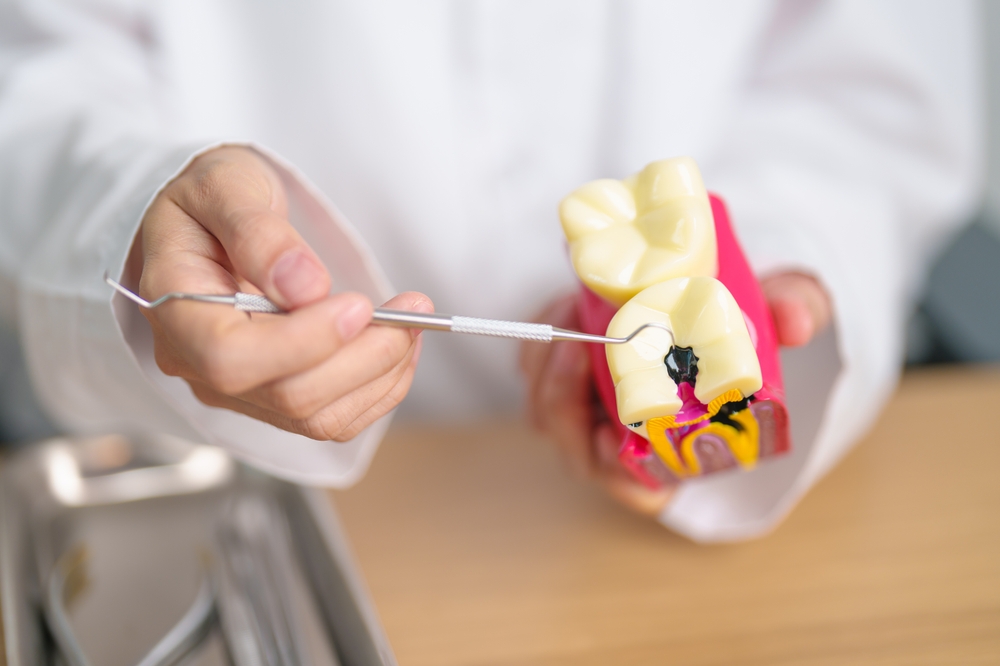
Understanding the Progression of Tooth Decay
Tooth decay is one of the most common dental conditions affecting adults and children alike, and it rarely causes pain in its early stages. By the time a cavity becomes noticeable, the damage has often progressed further than patients expect.
At Rubino Periodontics & Implant Dentistry, Dr. Thomas G. Rubino works with patients whose tooth decay has intersected with gum disease, gum recession, or bone loss—conditions that frequently occur together and accelerate each other. Call our Lakewood Ranch/Sarasota office at 941-201-3055, our Bradenton office at 941-209-5052, or our Parrish office at 813-331-5845 to schedule an evaluation.
How Cavities Develop
 Cavities form when bacteria in the mouth feed on sugars and produce acids that weaken tooth enamel. Over time, these acids break down the tooth surface and create small holes or areas of decay. Several factors increase the risk of cavities, including:
- Frequent consumption of sugary foods and drinks
- Poor oral hygiene habits
- Dry mouth or reduced saliva production
- Infrequent dental visits
- Enamel erosion from acidic foods and beverages
Without treatment, the decay can spread deeper into the tooth.
The Stages of Tooth Decay
Tooth decay typically develops in several stages:
- Early Enamel Damage: Mineral loss weakens the outer enamel layer.
- Cavity Formation: A small hole forms in the enamel.
- Dentin Damage: Decay spreads into the softer dentin layer beneath the enamel.
- Pulp Infection: Bacteria reach the inner pulp where nerves are located, causing pain and infection.
The earlier cavities are detected, the easier they are to treat.
The Connection Between Tooth Decay and Gum Disease
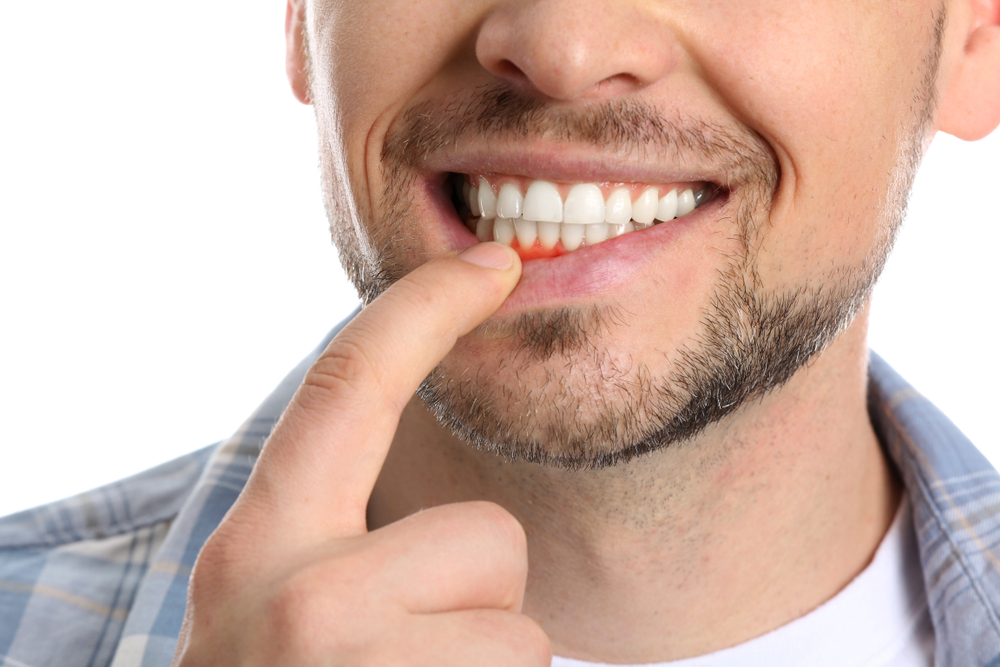 Decay and gum disease are separate conditions, but they often overlap in ways that complicate both. Gum disease causes the gum tissue to pull away from the teeth, exposing root surfaces that have no enamel coating and are significantly more vulnerable to decay. Patients with recession or bone loss are at elevated risk for root surface cavities, which can develop more quickly and cause more structural damage than cavities on the crown of the tooth.
Conversely, decay that progresses to infection can affect the surrounding bone and gum tissue, making existing periodontal disease harder to manage. When both conditions are present, they need to be addressed together rather than in isolation.
Why Early Treatment Matters
Treating cavities in the early stages often requires only a small filling. However, if the decay progresses deeper into the tooth, more complex procedures may be necessary. Untreated cavities can lead to:
- Severe tooth pain
- Tooth fractures
- Dental infections
- Root canal treatment
- Tooth loss
Early care can prevent these complications and protect the natural tooth.
How Dentists Treat Cavities
Treatment options depend on the severity of the decay. Common treatments include:
- Tooth-colored fillings for small cavities
- Dental crowns for teeth weakened by decay
- Root canal therapy for infected teeth
- Tooth replacement options, like dental implants, when a tooth cannot be saved
Regular dental exams allow dentists to identify cavities early and treat them before they worsen.
How Root Surface Decay Is Managed By Your Periodontist
For patients with gum recession and exposed root surfaces, decay prevention and early intervention are especially important. Dr. Rubino may discuss the extent of recession contributing to root exposure, coordinate with your general dentist on cavity treatment for affected teeth, evaluate whether gum grafting or gum grafting alternatives could reduce further root exposure and decay risk, and monitor areas of concern at your periodontal maintenance visits.
Managing the underlying gum condition is often the most effective way to reduce the ongoing risk of root surface decay.
Daily Habits That Help Prevent Cavities
In addition to routine dental visits, daily oral hygiene habits play an important role in preventing tooth decay.
Helpful habits include:
- Brushing twice daily with fluoride toothpaste
- Flossing once per day
- Limiting sugary snacks and beverages
- Drinking water throughout the day
- Maintaining regular dental checkups
These habits help strengthen enamel and reduce the risk of cavities.
Protect Your Smile From Tooth Decay
Cavities rarely improve on their own, and the longer decay goes unaddressed, the more it can affect the surrounding gum and bone tissue. Dr. Rubino and the team at Rubino Periodontics & Implant Dentistry are here to help patients understand how their periodontal health and decay risk interact, and what can be done to protect their teeth long term.
Call our Lakewood Ranch/Sarasota periodontist’s office at 941-201-3055, our Bradenton periodontist’s office at 941-209-5052, or our Parrish periodontist’s office at 813-331-5845 to schedule your appointment.