
 Creating the Space Your Implants Need to Succeed
When upper back teeth have been missing for a while, the jawbone beneath them often shrinks, and the sinus cavity above can expand downward to fill the space. The result is a stretch of bone too shallow to safely anchor a dental implant. For patients in this situation, sinus lift surgery is the solution that makes implant treatment possible.
At Rubino Periodontics and Implant Dentistry, Drs. Thomas, Ryan, and Tyler Rubino perform sinus lift procedures for patients who need additional bone height in the upper jaw before implant placement. This is a specialized procedure that requires the precision and training of a periodontist. To find out whether a sinus lift is part of your implant treatment plan, call our Bradenton periodontal office at 941-209-5052, our Lakewood Ranch periodontal office at 941-201-3055, or our Parrish periodontal office at 813-331-5845.
Why a Periodontist Should Perform Your Sinus Lift
 Sinus lift surgery involves working in close proximity to a delicate membrane. Perforation of the sinus membrane is one of the most common complications of the procedure, and it is significantly less likely to occur when the surgery is performed by a trained specialist with extensive experience in this anatomy. Drs. Thomas, Ryan, and Tyler Rubino are board-certified periodontists who have performed this procedure for patients across Bradenton, Sarasota, and Parrish for decades.
Their offices are equipped with cone beam 3D CT technology that maps the exact dimensions of your sinus, allowing them to plan each procedure with a level of precision that protects the membrane and optimizes the outcome. Dr. Thomas Rubino’s decades of clinical experience, academic leadership at the University of Kentucky College of Dentistry, and consistent recognition as a Top Dentist in Sarasota Magazine reflect the standard of care patients receive at every visit.
What Is a Sinus Lift?
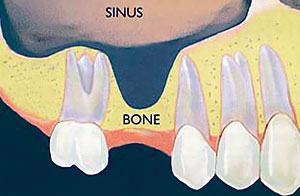 A sinus lift, also called a sinus augmentation, is a bone grafting procedure performed in the upper jaw. The goal is to increase the height of bone in the area beneath the maxillary sinuses, which sit just above the upper back teeth on each side of the face. During the procedure, the sinus membrane is carefully lifted, and graft material is placed in the space created below it. Over several months, the graft material integrates with the existing bone, creating a thicker, more supportive foundation for dental implants.
Why Is a Sinus Lift Necessary?
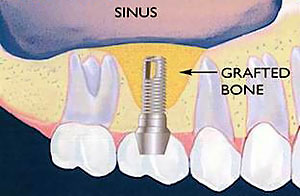 Dental implants require a certain amount of bone to anchor securely. However, factors like tooth loss, gum disease, or natural bone structure can lead to insufficient bone in the upper jaw. A sinus lift addresses this by:
- Increasing bone volume in the upper jaw.
- Creating a stable base for dental implants.
- Preventing complications from sinus proximity.
Who Needs a Sinus Lift?
A sinus lift is typically recommended when there is not enough bone height in the upper jaw to support dental implants. The following situations commonly lead to this recommendation:
- Upper back teeth have been missing for a long time: Bone in the upper jaw resorbs after tooth loss, and the longer teeth are absent, the more significant the bone loss tends to be.
- The sinus cavity has expanded: As bone shrinks, the sinus drops lower, reducing the vertical space available for implant placement.
- Bone loss from periodontal disease: Advanced gum disease in the upper arch can compromise bone height along with tooth support.
- Anatomy of the sinus: Some patients naturally have large sinuses or thin upper jawbones, making them candidates for sinus augmentation even with no history of tooth loss.
How the Sinus Lift Procedure Works
Sinus lift surgery at Rubino Periodontics is performed under local anesthesia, with sedation available for patient comfort. The procedure is carefully planned using 3D cone beam CT imaging, which gives Drs. Rubino provides a precise view of bone height, sinus anatomy, and the position of surrounding structures before a single incision is made.
The procedure follows these steps:
- The gum tissue in the upper back area of the mouth is reflected to expose the side of the jawbone
- A small opening is made in the bone, creating access to the sinus membrane
- The membrane is gently elevated away from the floor of the sinus
- Graft material is packed into the space created beneath the lifted membrane
- The opening in the bone is covered, and the gum tissue is sutured closed
- Healing begins, and over four to nine months, the graft matures into dense, usable bone
In some cases, implants can be placed at the same time as the sinus lift if sufficient existing bone is present. In others, a staged approach is used, with implant placement following complete graft integration.
Lateral Window vs. Crestal Sinus Lift
Drs. Thomas, Ryan, and Tyler Rubino use two main approaches depending on the amount of remaining bone:
- Lateral window sinus lift: The traditional approach, used when bone height is significantly reduced. A small window is made in the outer wall of the sinus to access and lift the membrane. This technique allows for the placement of a larger volume of graft material and is preferred when more than a few millimeters of bone are needed.
- Crestal approach (osteotome technique): A minimally invasive option used when only a small amount of additional height is needed. Access is made through the implant site itself, with the sinus membrane lifted from below. Recovery tends to be faster with this approach.
Your periodontist will review your 3D imaging and recommend the approach that gives you the best outcome.
Benefits of a Sinus Augmentation for Dental Implants
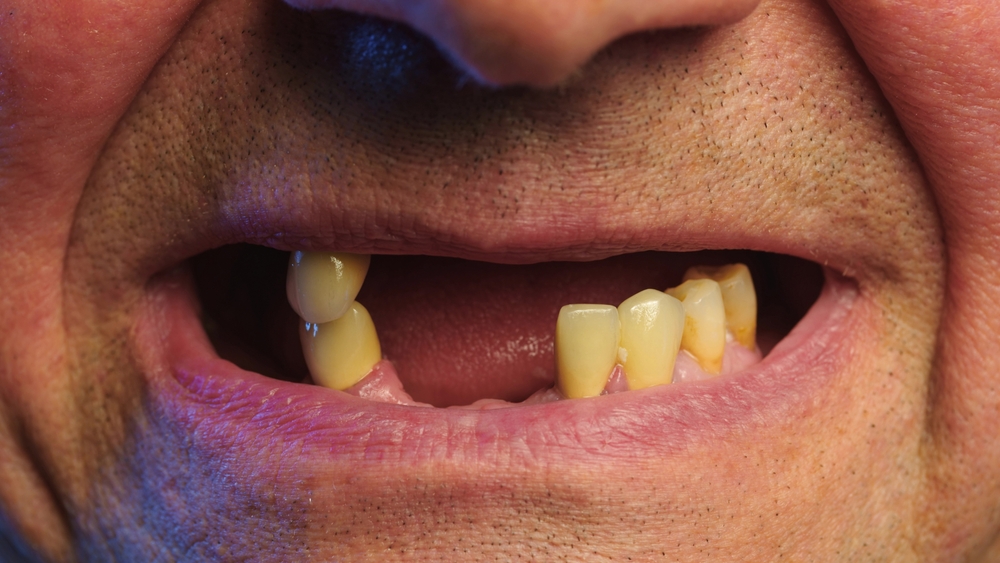 A sinus lift surgery offers numerous advantages, making it a critical step for many implant patients:
- Enables Dental Implants: Creates sufficient bone for secure dental implant placement.
- Improves Oral Function: Restores chewing and speaking capabilities.
- Enhances Aesthetics: Supports a natural-looking smile.
- Prevents Sinus Complications: Reduces the risk of implant failure due to sinus proximity.
- Long-Term Durability: Provides a stable foundation for implants that can last decades.
To discover if you’re a candidate for dental implants with a sinus lift, contact our Florida dental office near you.