
Are Dental Implants Medically Necessary?
Explore The Necessity of Tooth Replacement Options Near You
If you’re missing one or more teeth, you’ve probably wondered whether dental implants are just cosmetic or if they’re actually medically necessary. The answer isn’t always straightforward. While insurance companies often classify implants as elective, the reality is more nuanced. Missing teeth can trigger a cascade of health problems that go far beyond appearance.
At Rubino Periodontics & Implant Dentistry, our periodontists in Sun City Center, Bradenton, and Lakewood Ranch are here to help you navigate dental insurance and retiree health benefits. Call 941-201-3055 for Sarasota/Lakewood Ranch, 941-209-5052 for Bradenton, or 813-331-5845 for Sun City Center. Let’s explore when dental implants move from “nice to have” to “medically important,” what factors influence this determination, and how to navigate the insurance maze.
What Does “Medically Necessary” Actually Mean?
Medical necessity typically refers to treatments required to diagnose or treat an illness, injury, or condition. Here’s how dental implants fit into that definition:
When Implants May Be Considered Medically Necessary:
 Traumatic injury: Teeth lost due to accidents or physical trauma
- Cancer treatment: Tooth loss from radiation, chemotherapy, or tumor removal
- Congenital conditions: Born without certain teeth (hypodontia or ectodontic dysplasia)
- Severe bone loss: Deterioration that threatens facial structure and remaining teeth
- Inability to eat properly: When missing teeth prevent adequate nutrition
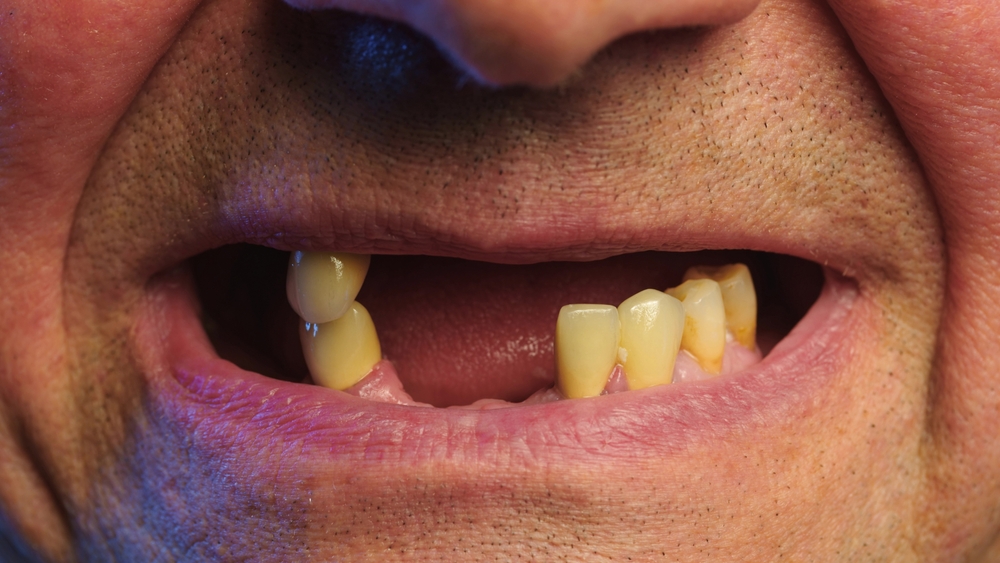 Traumatic injury
When Implants Are Typically Considered Elective:
- Natural tooth loss from aging or general wear
- Cavities or tooth decay that could have been prevented
- Purely cosmetic concerns without functional impairment
The line between necessary and elective often depends on documentation from your dentist and the specific circumstances of your tooth loss.
The Hidden Health Consequences of Missing Teeth
Many people don’t realize that gaps in their smile can create serious medical problems over time. The effects ripple through your entire oral health system.
Bone Loss and Facial Changes
When you lose a tooth, the jawbone beneath it begins to deteriorate—sometimes losing up to 25% of its width in the first year alone, as detailed in Schropp et al. (2003) and Horváth et al. (2012). This happens because the bone no longer receives stimulation from chewing forces.
- The face can take on a sunken, aged appearance
- Remaining teeth may shift into empty spaces
- Adjacent teeth become more vulnerable to decay and loss
- The bite alignment changes, creating jaw pain
Nutritional and Digestive Issues
Missing multiple teeth makes it difficult to chew certain foods properly. Studies have found that many people with missing teeth start avoiding healthy options like raw vegetables, nuts, and lean meats.
- A limited diet can lead to nutritional deficiencies
- Poorly chewed food puts extra strain on your digestive system
- Weight loss or malnutrition may occur in severe cases
A recent study by the BMC Oral Health journal found that edentulous adults, adults without teeth, are 9.5% more likely to be malnourished.
Psychological and Social Impact
The emotional toll of missing teeth shouldn’t be dismissed. Studies like Slade & Sanders (2011) show that tooth loss affects self-esteem, social interactions, and even career opportunities. While this may not fit traditional definitions of medical necessity, mental health is health.
How Insurance Companies View Dental Implants
Most dental insurance plans classify implants as cosmetic procedures. However, there are exceptions worth exploring.
Medical Insurance vs. Dental Insurance
 Here’s where things get interesting. If your tooth loss resulted from a covered medical event, your medical insurance might pay for implants:
- Accident or trauma coverage – Car accidents, sports injuries, or workplace incidents
- Cancer treatment complications – Tooth loss related to disease or treatment
- Birth defects or congenital conditions – Some plans cover reconstruction
Dental Insurance Limitations
Traditional dental plans rarely cover the full cost of implants. When they do contribute, expect:
- Coverage limited to 50% of the implant post only
- Annual maximum benefits of $1,000–$2,000
- Waiting periods of six to 12 months for major procedures
- Pre-authorization requirements with detailed documentation
Building a Case for Medical Necessity
To increase your chances of insurance approval, work with your periodontist to document:
- The cause of tooth loss (trauma, disease, or congenital issues)
- Functional impairments (chewing difficulty, speech problems)
- Failed attempts with other treatments (dentures, bridges)
- Medical complications from missing teeth
Dr. Ryan Rubino and Dr. Tyler Rubino at Rubino Periodontics frequently help patients gather the documentation needed to present the strongest possible case to insurance providers.
Here are some additional resources for helping to navigate your insurance benefits:
Alternative Options to Consider
Dental implants aren’t the only solution for missing teeth. Depending on your situation, other treatments might be more appropriate or affordable.
Traditional Alternatives
- Dental bridges: Fixed prosthetics anchored to adjacent teeth; less expensive but require altering healthy teeth
- Partial dentures: Removable appliances; the most affordable option, but the least stable
- Complete dentures: For patients missing all teeth; functional, but don’t prevent bone loss
Why Implants Often Win Long-Term
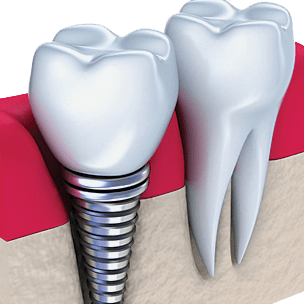 Despite higher upfront costs, implants offer advantages that other options can’t match:
- They preserve the jawbone and prevent further deterioration
- Adjacent teeth remain untouched and healthy
- They function like natural teeth for eating and speaking
- With proper care, they can last a lifetime
- No daily removal or special cleaning required
Making the Right Decision for Your Health
The question of medical necessity ultimately depends on your individual circumstances. Consider these factors:
Evaluate Your Functional Needs:
- Can you chew all the foods you need for proper nutrition?
- Has tooth loss affected your speech or breathing?
- Are your remaining teeth at risk due to shifting or bone loss?
Consider Your Long-Term Health:
- What will happen if you don’t replace missing teeth?
- Are you willing to accept progressive bone loss?
- How important is maintaining your facial structure?
Financial Considerations Matter:
- Many practices offer payment plans that make implants accessible
- The long-term cost of maintaining dentures or bridges often rivals implants
- Prevention of future dental problems can save money over time
Find Out If Dental Implants Are Medically Necessary for You
Whether dental implants from our Sarasota periodontists are medically necessary for you depends on the cause of your tooth loss, the functional impact, and your overall health goals. At Rubino Periodontics & Implant Dentistry, Dr. Thomas Rubino and his sons bring over 45 years of combined experience to help you make an informed decision.
Our team will evaluate your specific situation, discuss all available options, and help you understand what your insurance may cover. We serve patients throughout Bradenton, Sarasota, Lakewood Ranch, and Sun City Center with advanced implant technology and personalized care.
Call us at 941-201-3055 (Sarasota/Lakewood Ranch), 941-209-5052 (Bradenton), or 813-331-5845 (Sun City Center) to schedule a consultation. We’ll help you determine the best path forward for your oral health and overall well-being.