
Braces After 40: What to Expect and Why More Adults Are Doing It
Why More Adults Over 40 Are Pursuing Orthodontic Treatment
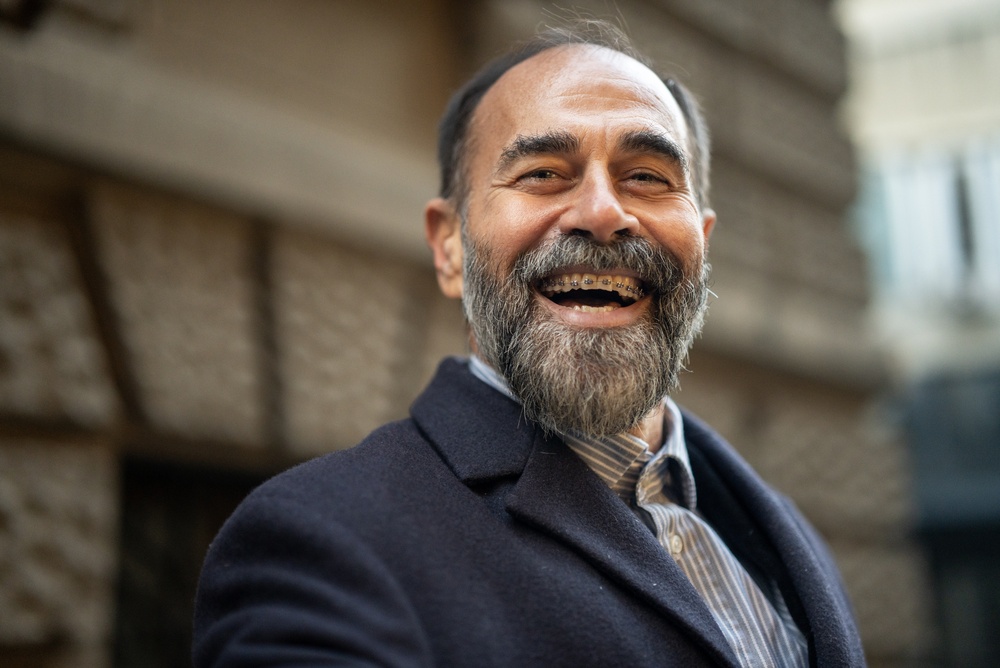
The idea that braces are just for teenagers is outdated. Roughly one in four orthodontic patients today is an adult, and the over-40 crowd is one of the fastest-growing segments in orthodontic care. The reasons people seek treatment later in life are more varied than most people expect.
Some patients had orthodontic work as teenagers that was never retained properly. Teeth shift throughout life, and without consistent retainer use, post-adolescent drift can undo years of earlier treatment. Others are addressing bite issues that were never corrected and have started causing real problems: jaw tension, uneven wear on specific teeth, and difficulty chewing. A smaller group simply wants to change something about their smile they’ve thought about for years, and finally has the means and motivation to act on it.
If you’re exploring your options, the team at Rubino Periodontics and Implant Dentistry is ready to talk through what treatment could look like for you. Call our Sarasota dental office at 941-201-3055, our Bradenton dental office at 941-209-5052, or our Parrish dental office at 813-331-5845 to learn more.
How Adult Teeth Move Differently From Younger Teeth
This is worth understanding before you begin, because it shapes realistic expectations.
 In adolescents, the jawbone is still developing and has a higher degree of metabolic activity. That makes teeth easier to move and means treatment tends to progress faster. In adults, the bone is fully mature and denser. Teeth can still be moved effectively, but the process takes more time and requires consistent, calibrated force.
There is also a mechanical consideration. Adults are more likely to have existing dental work: crowns, bridges, implants, or missing teeth. These cannot be moved the way natural teeth can, and your treatment plan needs to account for them. An adult with a full set of untreated natural teeth is typically a more straightforward orthodontic case than someone with significant prior restorative work.
What Makes Getting Braces After 40 More Complicated (And Why That’s Manageable)
Age itself is not a barrier. Gum health and bone support are.
Orthodontic treatment puts controlled stress on the teeth and the bone surrounding them. For teeth to move safely, the bone needs to be healthy and intact. Untreated gum disease or significant bone loss changes the picture. It doesn’t necessarily mean treatment is off the table, but it means those issues need to be addressed before orthodontics begins.
How Periodontists Like Dr. Rubino Can Help
This is actually one area where seeing a periodontist before starting orthodontic treatment can be a real advantage. A periodontist can assess the health of your bone and gum tissue, treat any disease that’s present, and give you a realistic picture of what your bone support looks like before you commit to a treatment plan. Starting orthodontics on a compromised foundation is one of the more common ways adult treatment runs into complications.
Adults are also more likely to experience root resorption, a process in which tooth roots gradually shorten during orthodontic treatment. This is generally mild and not clinically significant in most cases, but it’s something a well-trained provider monitors throughout care.
Accelerated Orthodontics: A Good Fit for Busy Adult Lives
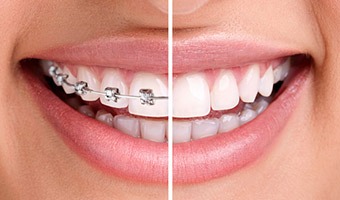 Traditional orthodontic timelines run anywhere from 18 months to three years. For a teenager, that’s a manageable window. For a working adult with a career, family commitments, and events where their appearance is on their mind, that timeline can be a genuine barrier to starting treatment.
Accelerated orthodontics uses techniques to increase the rate at which teeth move, reducing overall treatment time often by 30 to 50 percent. At Rubino Periodontics and Implant Dentistry, this option is worth a direct conversation about, because the practical difference it makes in adult patients’ lives is significant.
Think about what the next two years look like. Weddings, professional presentations, reunions, milestones. Accelerated orthodontics means you’re not doing math in your head every time you’re invited to something. Treatment moves faster, and you get to the result sooner.
What to Expect With Adult Orthodontic Treatment
The mechanics of orthodontic treatment are similar regardless of age.
Discomfort after adjustments is real but temporary, typically peaking in the first 48 to 72 hours and subsiding. Adults generally report managing this well with over-the-counter pain relief. There is an adjustment period with oral hygiene: cleaning around brackets or aligners takes more effort than routine brushing, and staying consistent with it matters for gum health throughout treatment.
You will also need to think about retention seriously. Adult teeth are more prone to drifting back toward their original position after treatment than younger teeth. Your orthodontic provider should walk you through a retention plan before treatment ends.
Signs You May Be a Good Candidate for Braces After 40
You are likely a reasonable candidate for orthodontic treatment if:
 Your gum tissue is healthy, and any periodontal disease has been treated and stabilized
- You have enough bone support around your teeth
- You do not have significant untreated decay
- You have realistic expectations about the timeline and the commitment involved
- Your reason for pursuing treatment, whether functional or cosmetic, is clear to you
The best way to find out for certain is a consultation. At Rubino Periodontics and Implant Dentistry, the team evaluates not just tooth position but the full periodontal picture, which means you get a more complete assessment than a general orthodontic screening provides.
Schedule a Consultation at Rubino Periodontics in Bradenton, Sarasota, or Parrish
Adult orthodontic treatment is a significant decision, and the right starting point is a conversation with a provider who can evaluate your complete oral health, not just whether your teeth are straight.
Drs. Thomas, Ryan, and Tyler Rubino bring over 45 years of combined experience to every consultation. Whether you’re interested in accelerated orthodontics with a periodontist or are looking to lay the foundation for future treatment, our Florida dental team is here to help.
Call to request your appointment: Sarasota/Lakewood Ranch 941-201-3055, Bradenton 941-209-5052, Parrish 813-331-5845, or fill out the online form to get started.