Periodontal Maintenance in Bradenton and Sarasota

Periodontal Maintenance

Keep Gums and Teeth Healthy with Regular Periodontal Maintenance

Once your gum treatment has been completed, our hygienists will ensure your oral health is maintained by scheduling regular, thorough cleanings, and they will educate you on expert home oral care.

Gum disease is persistent and can return easily if not followed by adequate and effective oral periodontal maintenance. It takes continuous removal of the bacteria that accumulate on your teeth to prevent future build-up of the plaque and calculus that cause gum disease.

Your periodontal maintenance schedule will be set by your Florida dental team, so it is frequent enough to ensure you stay healthy.

Your smile deserves the best! Contact 941-201-3055 for Sarasota/Lakewood Ranch, 941-209-5052 for Bradenton, or 813-331-5845 for Parrish, or book online. Welcoming patients from our surrounding communities, including Venice, Tampa, and Clearwater.

On This Page

Highly Trained and Caring Hygienists in Florida

Our Registered Dental Hygienists are highly trained and experienced in advanced periodontal maintenance cleaning techniques and provide expert cleanings. They are very caring and friendly and make you feel at home during maintenance visits. They take great care to make sure you are comfortable and that any questions or concerns you may have are fully answered.

Gentle and Thorough Cleanings
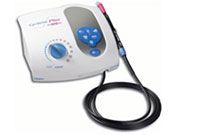
ultrasonicScaler6

Our hygienists provide thorough yet gentle cleanings using ultrasonic scalers. Ultrasonic scalers use high-frequency vibrations to break up and remove the accumulated bacterial deposits on your teeth. They clean deeper and faster than traditional hand scaling instruments and can be adjusted for patient comfort. After cleaning is done, our hygienists will, as needed, gently smooth out the tooth surfaces under the gum line. Smooth surfaces make it difficult for future bacteria to attach and multiply.

Cleaning Around Dental Implants

Oral health maintenance includes effective cleaning around any dental implants, a procedure that requires special skills and instruments. Our hygienists use special Teflon®-coated instruments or titanium instruments that effectively remove the plaque and tartar around the implants without scratching them. This prevents the formation of rough surfaces where bacteria could easily lodge.

As part of our cleaning procedure, our hygienists will inspect the implant and the attached tooth restoration (such as a crown) to see if there are any defects in the restoration that might require special attention.

Final Polish and Fluoride

For final cleaning and polishing, we use a dental jet-spray device called a Prophy-Jet. The Prophy-Jet shoots a high-pressure sodium bicarbonate stream to remove tooth stains from coffee, smoking, wine, and other hard-to-clean materials that cannot be removed with other instruments. We then conclude your cleaning with a liquid fluoride treatment as a protective measure against future bacterial attack and food acids that can cause decay.

Monitoring Your Periodontal Health in Sarasota, Bradenton, and Parrish
Periodontal Maintenance

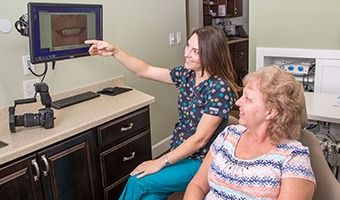
Our hygienists monitor your overall periodontal condition at the beginning of each maintenance appointment. They start by gently probing the depth of your gum pockets and comparing the current measurements with those taken at earlier appointments. In this way, they can check the stability of the health of your gums and can make any needed adjustments in maintenance appointments or other aspects of your care.

Frequently Asked Questions

How often should I have periodontal maintenance appointments?

The frequency of periodontal maintenance varies based on your individual condition and risk factors. Most patients require appointments every three to four months, but some may need more frequent visits (every six to eight weeks) if they have aggressive gum disease or other risk factors like diabetes or smoking. Your periodontal team will determine the optimal schedule based on your gum pocket depths, bone loss, and how well you maintain your oral hygiene at home.

Is periodontal maintenance covered by dental insurance?

Most dental insurance plans cover periodontal maintenance, but coverage varies by plan. Many insurers cover two to four maintenance appointments per year after active periodontal treatment is completed. However, some plans may have waiting periods or require pre-authorization. We recommend checking with your insurance provider to understand your specific benefits and any out-of-pocket costs you may incur.

What’s the difference between regular dental cleanings and periodontal maintenance?

Periodontal maintenance is more comprehensive than routine prophylaxis (regular cleanings). While regular cleanings focus on prevention in healthy mouths, periodontal maintenance is therapeutic treatment for patients who have already had gum disease. It involves deeper cleaning below the gum line, more detailed monitoring of gum pocket depths, and specialized techniques to prevent disease recurrence. The appointments are typically longer and may require local anesthesia for patient comfort.

Can I skip periodontal maintenance if my gums feel fine?

No, you should not skip periodontal maintenance even if your gums feel healthy. Gum disease is often painless in its early stages, and the absence of symptoms doesn’t mean the disease isn’t progressing. Regular maintenance appointments are crucial for detecting early signs of disease recurrence and preventing the need for more extensive treatment later. Skipping appointments significantly increases your risk of gum disease returning and potentially requiring surgical intervention.

What should I expect during my first periodontal maintenance appointment?

Your first maintenance appointment will include a comprehensive evaluation of your gum health, including measuring pocket depths around each tooth and comparing them to previous measurements. The hygienist will perform deep cleaning above and below the gum line, potentially using ultrasonic instruments and hand scaling tools. You may experience some sensitivity during the procedure, but local anesthesia can be provided if needed. The appointment typically takes 60-90 minutes, and you’ll receive personalized home care instructions to maintain your oral health between visits.