What is a Dental Implant?
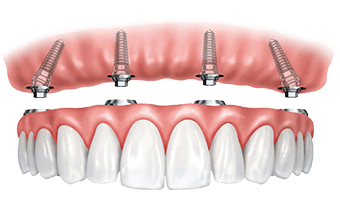
A dental implant is a titanium post that is inserted into the jawbone to function as an artificial tooth root to replace a missing tooth. A connecting piece known as an abutment is secured on top of the implant and acts as the attachment point for a dental crown, a bridge, or a denture.
The jawbone around the inserted implant integrates (fuses) with the implant surfaces and strongly anchors the implant in place. The integrated implant is then as strong as a natural, healthy tooth root.
Highly Skilled Implant Specialist
As expert periodontists, Drs. Ryan, Tyler, and Thomas Rubino are dental specialists in gum disease treatment and the placement of implants. Rubino Periodontics and Implant Dentistry started providing dental implant placement in 1990 and since have treated thousands of cases. To be able to consistently provide the best care possible, Drs. Ryan, Tyler, and Thomas Rubino have dedicatedly kept up with all the latest technical developments in dental implant procedures through extensive continuing education. They are skilled in correcting any problems that you may have encountered from a previous implant procedure.
Gentle, Comfortable Tooth Extractions
If you have a tooth that needs to be extracted before placing an implant, a special instrument is used to gently release the tooth from the connective tissue that holds it in the socket. Then a precision technique is used to remove the tooth in a manner that is comfortable and causes little to no damage to the surrounding gum and bone tissue. When a tooth is extracted this way, the implant site takes less preparation, swelling is minimized and healing time is much faster.
Click here to learn more about our minimally invasive tooth extractions.
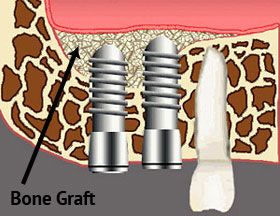
Bone Grafting
Where there is inadequate jawbone present to support an implant, a graft material will be placed into the implant site to stimulate the generation of additional bone. This is done using high-tech procedures and advanced materials for minimally invasive and effective bone regeneration.
Learn more about bone grafting procedures here.
Keeping You Comfortable with Sedation Dentistry
At Rubino Periodontics and Implant Dentistry, we will do everything possible to ensure your treatment is as comfortable as possible. Our injections are administered slowly and gently so there is minimal sensation. Your doctor will use gentle techniques which minimize discomfort and reduce healing time.
For added comfort, we provide pillows and blankets in the dental chair. We also have wireless headphones so you can listen to music during your procedure. If you need extra help with anxiety, there are also several sedation options available.
Learn more about our sedation dentistry options here.
Affordable Payment Options
We work to make it as easy as possible to receive the treatment you need. Our office provides numerous payment options and we participate with CareCredit® Healthcare Financing. We can work with all insurance plans and will help you receive the best possible reimbursement for your tooth and implant services.
How Dental Implant Procedures Work
Initial Consultation
Receiving dental implants begins with a comprehensive initial consultation. During this important appointment, Dr. Rubino will examine your oral health and discuss your medical history. Digital dental X-rays may be taken to assess the condition of your jawbone and teeth, helping determine if you’re a good candidate for the procedure. This thorough evaluation ensures that we can create a personalized treatment plan that aligns with your needs.
Supplemental Procedures
In some cases, patients may require additional procedures before receiving dental implants. Common supplemental treatments include:
- Bone Grafting: If you have experienced jawbone loss, this procedure rebuilds bone tissue to provide a solid foundation for the implant.
- Soft Tissue Grafting: Similar to bone grafting, this procedure helps restore gum tissue around the implant site to support proper healing.
These procedures may be performed before or during the dental implant process, depending on your specific situation. Dr. Rubino will discuss any necessary steps to ensure the success of your dental implants. If dental implants are not suitable for you, our team may recommend alternative treatments, such as removable dentures or dental bridges.
Implant Surgery
The surgical placement of dental implants is generally an outpatient procedure performed under local anesthesia. For added comfort, some patients opt for IV sedation, which will be discussed during your initial consultation.
The surgery involves a small incision in the gums to expose the jawbone, where the implant post is carefully placed. The implant post, typically made of biocompatible titanium, will be left to heal and integrate with the bone over the coming months. Our practice utilizes advanced 3D imaging technology to enhance accuracy and minimize discomfort during the procedure.
Recovery Period
After the implant surgery, the next phase involves osseointegration. This crucial process allows the implant post to fuse naturally with the jawbone, creating a secure foundation. The duration for osseointegration can vary, generally taking three to six months.
While recovery times differ among patients, you may return to your normal activities after a few days. It’s recommended to follow a soft food diet during your healing period and adhere to care instructions from our office. Swelling and mild discomfort are common but can typically be managed with over-the-counter pain relief.
Final Restoration Placement
Once the implants have fully integrated with the jawbone, you will return to Rubino Periodontics for the final restoration appointment. At this visit, a custom restoration—such as a dental crown, bridge, or implant-supported denture—will be securely attached to the implant post. After this step, you will leave our office with a brand-new, beautiful smile ready to enhance your confidence and everyday life.
After Your Dental Implant Surgery
Proper post-operative care is essential for optimal healing and to minimize dental implant complications. Here are some tips to help you during your recovery:
- Follow all aftercare instructions provided by our team.
- Manage pain and swelling with cold compresses and over-the-counter medication as recommended.
- Avoid smoking and alcohol consumption, as these can hinder the healing process.
- Maintain a soft foods diet and avoid crunchy or spicy foods.
- Continue practicing good oral hygiene by gently brushing and rinsing as advised.
If you have questions about post-op care, do not hesitate to contact our practice at 941-209-5052. We are here to assist you through your recovery.