Signs You May Need a Gum Graft
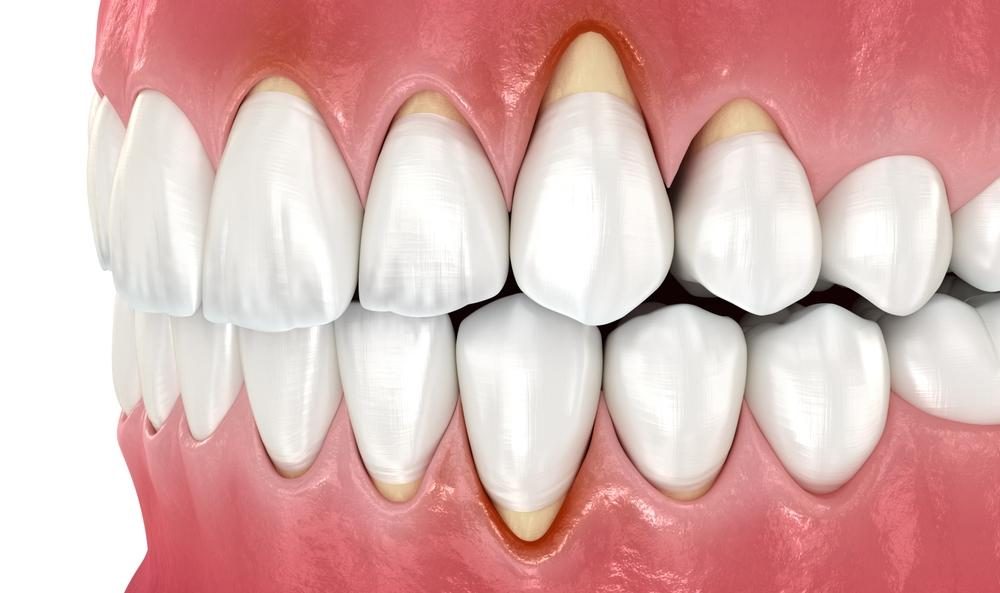
Gum recession develops slowly, so many people do not notice it until a root is exposed. A graft is often recommended when you have one or more of these signs:
- Sensitivity at the Gum Line: Exposed roots lack enamel, so cold drinks, sweets, or brushing can cause sharp twinges.
- Teeth That Look Longer: More of the tooth shows as the gum edge moves down the root.
- A Notch or Ridge Near the Gum: You can feel where the enamel ends and the softer root surface begins.
- Very Thin Gum Tissue: Thin gums recede more easily, especially before braces, crowns, or around a dental implant.
- Recession That Keeps Progressing: Measurements that worsen between checkups mean the tooth is losing support.
Recession has many causes, including gum disease, aggressive brushing, grinding, crooked teeth, past orthodontic treatment, tobacco use, and naturally thin gums. Our gum recession treatment page explains each cause and every option we use to correct it. If active gum disease is present, we treat it first with gum disease treatment so the graft heals in healthy tissue.
Types of Gum Grafts
The right graft depends on how much tissue you have, how many teeth are involved, and whether the goal is root coverage, thicker gums, or both.
Connective Tissue Graft
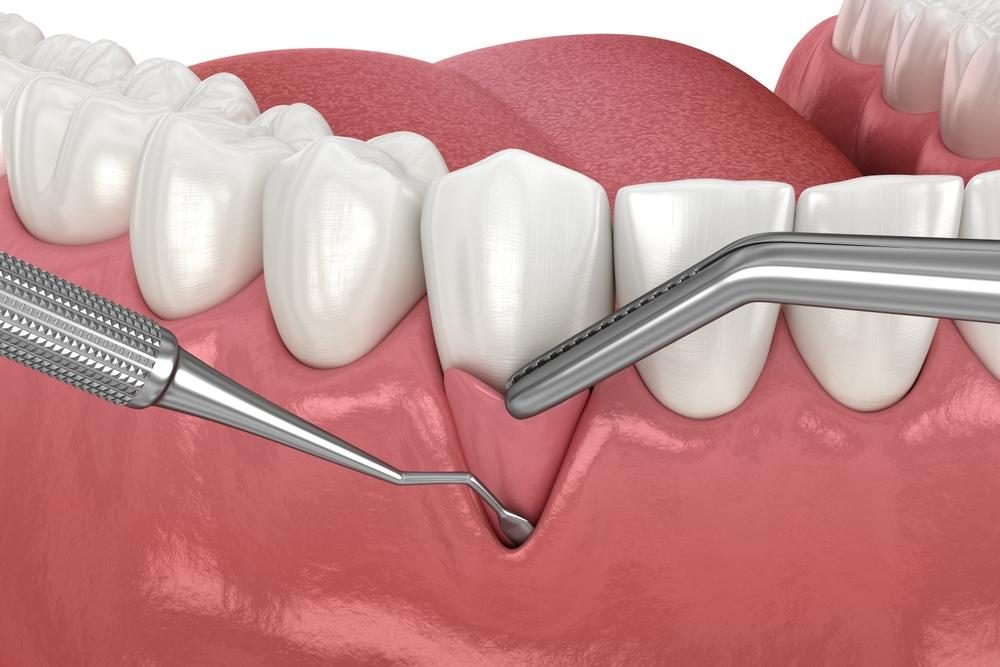
The connective tissue graft is the most common and most studied gum graft for covering exposed roots. A thin layer of tissue is taken from beneath the surface of the palate through a small opening, then tucked under the gum at the recession site. Because the tissue comes from your own mouth and sits under your gum, it blends in closely with the surrounding color and texture.
Free Gingival Graft
A free gingival graft takes a small strip of surface tissue directly from the palate and attaches it where gums are thin. It is the best choice when the main goal is to thicken weak gum tissue and stop recession from progressing, rather than to cover a long exposed root. It is often used on lower front teeth and around dental implants.
Pedicle Graft
When there is plenty of healthy gum next to the receded tooth, a pedicle graft moves that neighboring tissue sideways to cover the root while keeping it partly attached to its own blood supply. No tissue is taken from the palate, and healing is typically quick. This option only works when enough adjacent gum is available.
Donor Tissue Graft
A donor tissue graft, also called an allograft, uses processed human tissue from a tissue bank instead of tissue from your palate. The material is screened and sterilized, then serves as a scaffold that your own gum cells grow into. Donor grafts are useful when several teeth need treatment at once or when your palate tissue is too thin to harvest.
Soft Tissue Grafting Around Dental Implants
Thin or receding gum around an implant can expose the metal and make the area harder to keep clean. Grafting around implants thickens the tissue collar and helps protect the implant over the long term. Dr. Priscilla Sosa focused her residency research on soft tissue procedures that support long-term dental implant health, and our team performs these grafts before, during, or after dental implant placement.
The Chao Pinhole® Surgical Technique: A Graft Alternative

For many patients, we also offer the Chao Pinhole® Surgical Technique, a minimally invasive alternative to traditional grafting that only a limited number of periodontists are certified to perform. Instead of taking tissue from the palate, the periodontist makes a tiny opening in the gum, gently slides the existing tissue down over the exposed roots, and holds it in place with collagen strips, with no scalpel or sutures.
Several teeth can often be treated in one visit, and most patients return to normal activities the next day. Pinhole surgery needs enough existing gum to reposition, so patients with very thin tissue or advanced recession may still need a graft, and we will tell you which approach fits your gums at your exam.
What Happens During Gum Graft Surgery
Gum grafting is done in our office under local anesthesia, and you can add dental sedation if you feel anxious. A single site usually takes about 60 to 90 minutes. The visit follows these steps:
- Numbing: The recession site and the palate, if tissue will be taken from it, are fully numbed.
- Preparing the Site: The periodontist cleans the exposed root and gently creates a small pocket or bed in the gum to receive the graft.
- Placing the Graft: The graft tissue is positioned over or under the gum to cover the root and add thickness.
- Securing the Tissue: Fine micro-sutures hold the graft in place and dissolve on their own, so there is no removal visit.
- Protecting the Palate: If tissue was taken from the roof of your mouth, we cover the area with a protective dressing or custom stent to keep you comfortable while it heals.
Gum Graft Recovery Timeline
Most patients return to work within one to two days, and the graft is fully settled in about four to six weeks. Here is what to expect as you heal:
- First 24 to 48 Hours: Mild swelling and soreness. Stick to cold, soft foods, rest, and avoid strenuous activity.
- Days 3 to 7: Discomfort fades, though the palate often feels more tender than the graft site. Keep to soft foods.
- Weeks 1 to 2: The sutures dissolve, and we see you for a follow-up to check healing. Avoid brushing or flossing the graft site.
- Weeks 2 to 6: Gentle brushing resumes, the graft blends in with the surrounding gum, and your normal diet returns.
During healing, avoid chewing on the treated side, drinking through a straw, and smoking, since each can disturb the graft or slow healing. Over-the-counter pain relievers and the prescribed rinse usually keep patients comfortable.
What Gum Grafting Costs
Your cost depends on the graft type, the number of teeth, and whether you use donor material. These are typical price ranges across the US:
- Free Gingival Graft: $600 to $1,200 per tooth
- Connective Tissue Graft: $700 to $1,500 per tooth
- Pedicle Graft: $600 to $1,200 per tooth
- Donor Tissue Graft: $700 to $2,000 per area
The cost per tooth usually drops when you graft several neighboring teeth in the same visit. Dental insurance often covers part of gum grafting when it is medically necessary to protect a tooth, though coverage varies by plan. Our new patient special includes your exam, panoramic X-rays, and CT scan as needed for $79, and we offer payment plans and CareCredit financing.
Important Notice: The patient and any other person responsible for payment has a right to refuse to pay, cancel payment, or be reimbursed for any other service, examination, or treatment that is performed as a result of and within 72 hours of responding to the advertisement for the free, discounted fee, or reduced fee service, examination, or treatment.