Gum Disease Stages: What Happens If You Ignore Gum Disease
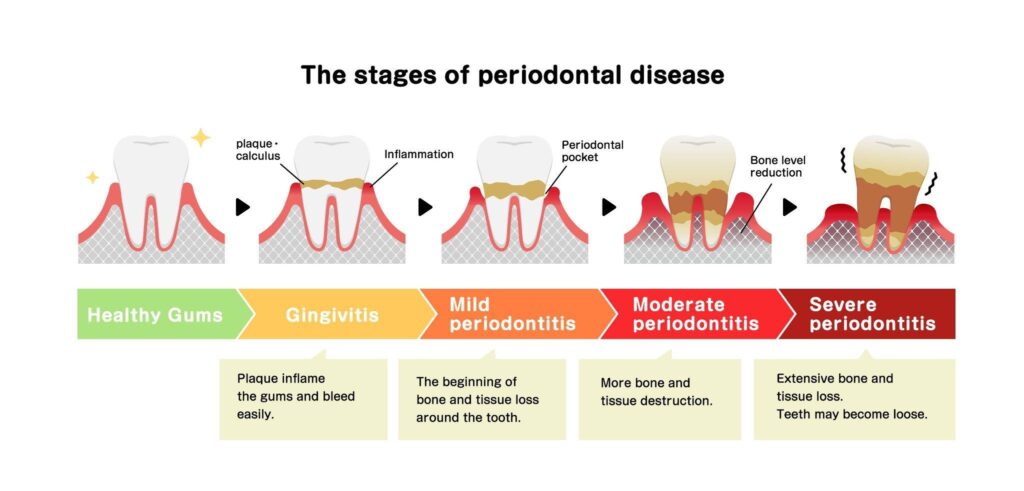
Why Waiting on Gum Disease Treatment Narrows Your Options
You heard the words “gum disease” in the dental chair and decided to wait. Maybe you worried about cost or pain, or hoped the problem was smaller than it sounded. That reaction is common, and many people put off periodontal treatment for months or years.
Waiting does not make gum disease go away. It changes which treatments are still available to you. Below is a realistic timeline of how untreated gum disease progresses and what treatment looks like at each point, so you can decide what to do next. To schedule a gum disease evaluation, call our Lakewood Ranch office at 941-201-3055, our Bradenton office at 941-209-5052, or our Parrish office at 813-331-5845.
A Medical Approach to Your Gum Health

At Rubino Periodontics & Implant Dentistry, we treat gum disease as the medical condition it is. Two registered nurses on our staff help manage care for patients with conditions like diabetes or high blood pressure and can coordinate with your physician when needed.
You also have four periodontists on your side. Dr. Thomas Rubino opened the practice in 1988; his sons, Dr. Ryan and Dr. Tyler Rubino, trained in the same specialty at the University of Kentucky before joining him. Dr. Priscilla Sosa brings advanced training in soft tissue and bone grafting. Whatever stage you are in, we explain your options in plain language before anything begins.
Stage 1: Gingivitis and Bleeding Gums
Gum disease starts quietly, often with no pain at all. The main warning sign is bleeding gums when you brush or floss. Healthy gums do not bleed from gentle brushing.
Bacteria collect on your teeth in a sticky film called plaque. When plaque sits along the gum line, your immune system sends extra blood to fight it, so the gums swell, redden, and bleed easily. If this sounds familiar, our post on why your gums bleed when you brush covers the common causes.
Treating Gingivitis
Gingivitis is fully reversible because the bacteria have not yet damaged bone or connective tissue. A professional dental cleaning and better daily brushing and flossing clear it up, and the gums return to a firm, healthy state. Left alone for several months, though, plaque hardens into tartar, which brushing cannot remove, and the disease moves to the next stage.
Stage 2: Mild to Moderate Periodontitis
Once bacteria spread below the gum line, gingivitis becomes periodontitis. Your immune system’s response to the infection starts breaking down the bone and connective tissue that hold your teeth. The gums pull away from the teeth and form periodontal pockets, which give bacteria even more room to grow.
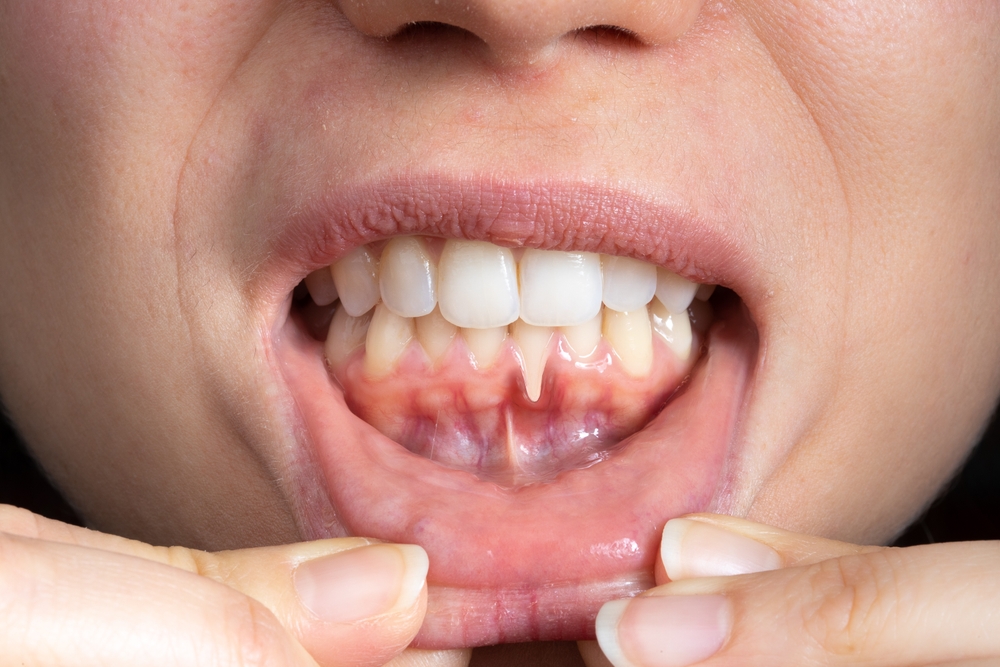
Your teeth may still feel solid, but their foundation is weakening. You might notice gums pulling back so your teeth look longer, or bad breath that mouthwash does not fix. Bone lost at this stage does not grow back on its own, so the goal shifts from reversal to control.
Treating Moderate Periodontitis
The first treatment is usually scaling and root planing, a deep cleaning that removes tartar from inside the pockets and smooths the roots so the gums can reattach. Some patients also need antibiotic therapy placed directly in deep pockets. With treatment at this stage and regular maintenance afterward, most patients keep their natural teeth for many years.
Stage 3: Advanced Periodontitis and Loose Teeth
When moderate periodontitis goes untreated for years, bone loss speeds up. Teeth can loosen and shift, chewing may become uncomfortable, and the gums may swell, feel tender, or release pus. The pockets are now too deep for brushing or a standard cleaning to reach.
Treating Advanced Periodontitis
At this stage, a deep cleaning alone is no longer enough, and surgical treatment is usually needed to save the teeth. That does not have to mean a difficult recovery. The LANAP laser procedure removes infected tissue while leaving healthy gum in place and can encourage some lost bone to regenerate. For other cases, pocket reduction surgery or bone grafting may be the better fit. You can compare every option on our gum disease treatment page.
After the infection is under control, you move to a periodontal maintenance schedule with cleanings every three to four months instead of twice a year. That frequency disrupts bacteria before they can trigger more bone loss. We can often save teeth that feel very loose, but only while enough bone remains.
Stage 4: Tooth Loss
If the disease continues unchecked, teeth lose so much support that they fall out or become painful enough to need tooth extraction. Missing teeth affect how you eat, speak, and feel in photos. Without roots to stimulate it, the jawbone keeps shrinking, which can give the face a sunken look over time.
Replacing Teeth Lost to Gum Disease
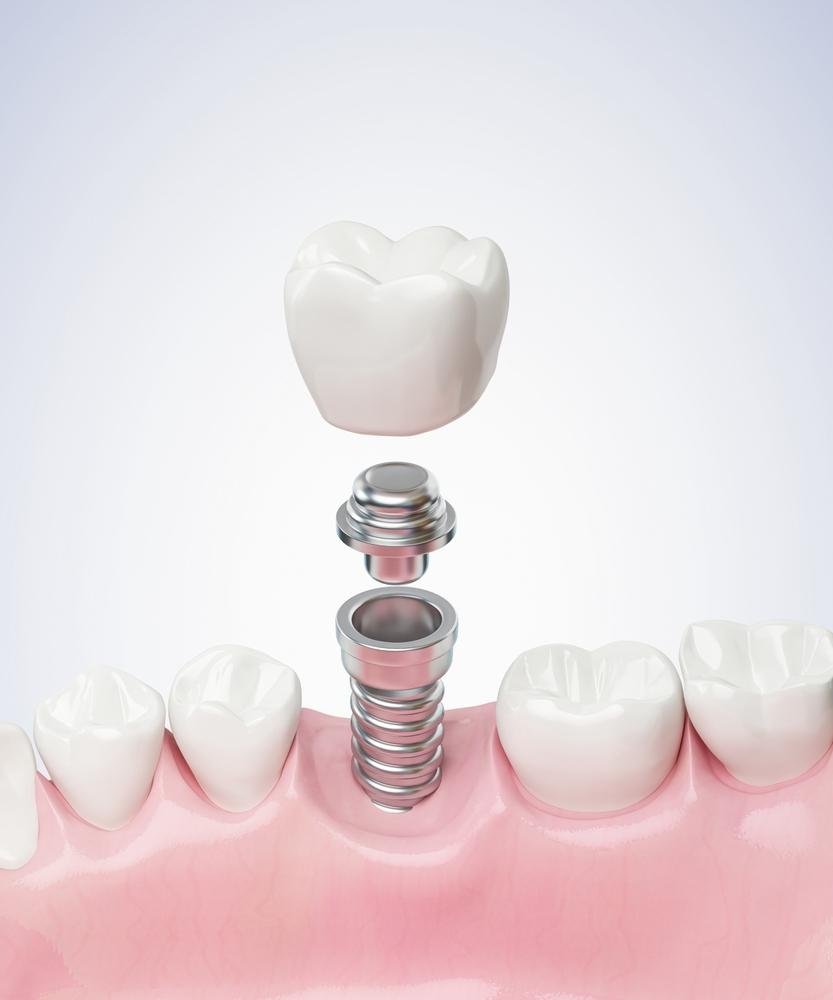
At this point, the focus shifts from saving teeth to replacing them. Dental implants are titanium posts placed in the jawbone to act as new tooth roots. They help preserve the surrounding bone and support crowns, bridges, or a full arch of teeth.
Replacing teeth after gum disease takes time. If too much bone has been lost, a bone graft may be needed first to rebuild the area before implants go in. The process requires patience, but patients regularly tell us they can eat steak, bite into apples, and smile without hesitation again.
It Is Rarely Too Late to Treat Gum Disease
If you are reading this and worried you have waited too long, it is rarely too late. Earlier treatment is simpler and less costly, but we have options even for severe bone loss and loose teeth. We do not deal in guilt. We focus on finding the right path forward for the stage you are in.
Whether you need a simple evaluation or advanced care, our periodontists are here to help. Call our Lakewood Ranch office at 941-201-3055, our Bradenton office at 941-209-5052, or our Parrish office at 813-331-5845, or schedule a gum disease evaluation with our periodontists online.