Decoding Dental Implant Expenses
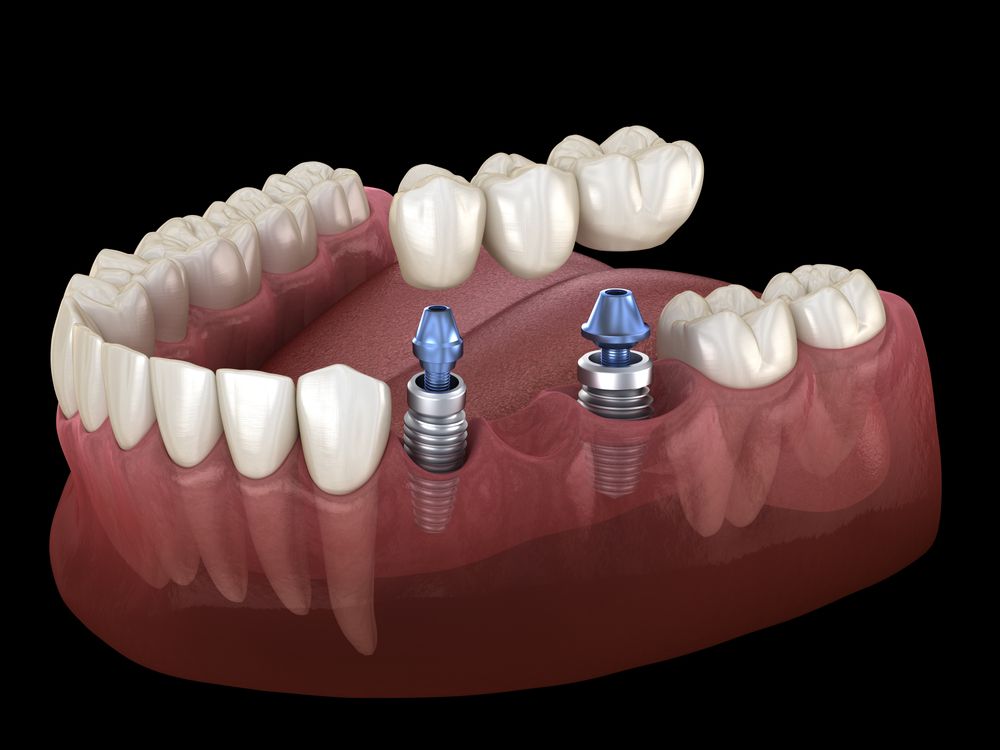
The expense for dental implants can vary based on individual requirements. The cost for a single dental implant, including the implant, abutment, and crown, generally ranges from $3,000 to $5,000. To determine the accurate investment for your specific situation, a complete treatment plan is necessary. This page provides a detailed overview of the factors that influence the costs, and the value dental implants offer as a lasting solution for replacing teeth.
For those looking at options like All-on-4 dental implants, which replace an entire arch of teeth, the expense will understandably be greater than that of a single implant. During your consultation, we can discuss all applicable options with you.
Unique Services with Dr. Rubino
Registered Nurses (RNs) on Staff
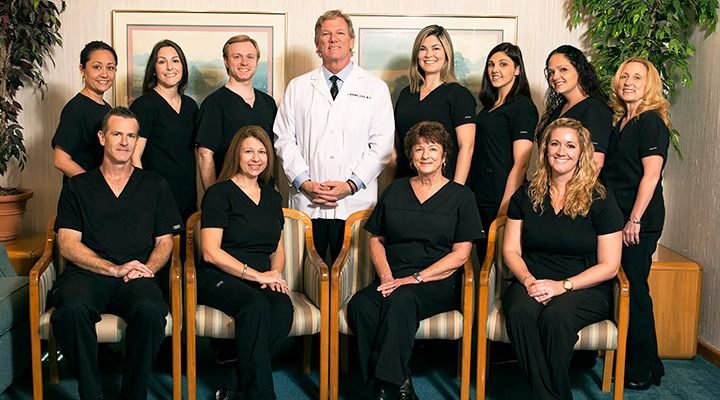
Rubino Periodontics has two Registered Nurses (RN). Their training allows them to closely coordinate our treatment with any medical care you may be undergoing with your primary care physician. This coordination helps us fine-tune any adjustments in your dental treatment based on any other health issues you are being treated for.
Smile Makeover Charitable Giving Program
Dr. Ryan Rubino created his own Smile Makeover charitable giving program. This program provides local veterans, picked by the VA, a life-changing opportunity to receive a new smile with dental implants at no charge.
Factors That Influence the Price of Dental Implants
Several elements affect the overall expense of dental implant treatment. Appreciating these elements can help you understand the personalized nature and value of the dental implant procedure.
Number of Implants: The most evident element is the number of implants needed. Replacing a single tooth is less expensive than replacing multiple teeth or a full arch.
Implant Material: Implants are commonly made from titanium, a biocompatible material. Alternative materials like zirconia exist, but titanium is frequently the more cost-effective choice.
Brand of Implant: Different dental implant manufacturers offer products at varying price ranges. Established brands with thorough research and development may have a higher price.
Size and Type of Implant: The dimensions and design of the implant play a role. Specialized implants, such as mini implants, might affect the price.
Location of Implant Placement: Implants placed in the back of the mouth can be more intricate because of anatomical considerations, potentially increasing the expense. Implants in the front (anterior) of the mouth, which are more visible when you smile, often require more precision and customization, potentially increasing the cost compared to implants placed in the back (posterior) of the mouth.
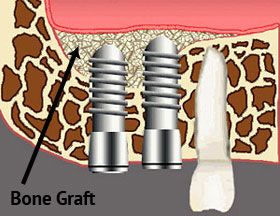
Necessary Pre-Implant Procedures: Preparatory procedures are sometimes needed before implant placement. For instance, bone grafting may be required to build sufficient bone density to support the implant. Periodontal treatments might also be necessary to address gum disease and create a healthy foundation.
Anesthesia and Sedation: The type of anesthesia selected influences the overall expense. Local anesthesia is generally less costly than IV sedation. Rubino Periodontics has Registered Nurses (RN) on staff to coordinate with your primary care physician for any anesthesia needs and concerns.
Dentist’s Skill and Standing: Finding a skilled implant dentist may result in higher fees due to their experience and history of successful outcomes, but this often involves fewer complications and treatments down the road. Drs. Ryan, Tyler, and Thomas Rubino are experienced periodontists who have stayed abreast of the latest developments in technology through regular continuing education. Dr. Thomas Rubino has also been a continuing education provider in Florida since 1990.
Geographic Location: The expense of dental implants varies depending on the area.
The Abutment and Final Restoration: After the implant is placed, an abutment (the connector piece) will be attached to the implant, which will then support the restoration (the visible part of the implant). The expense of the abutment and restoration will depend on the type of restoration used, such as a dental crown, dental bridge, or dentures.
Potential Additional Costs
Beyond the core implant procedure, be sure to consider these potential expenses:
- Consultation and Examination: An initial consultation with a comprehensive examination is the first step. This allows the dentist to evaluate your oral health, discuss your objectives, and decide if dental implants are right for you. The initial consultation typically ranges from $50-$300.
- X-rays and Imaging: Diagnostic imaging, including X-rays and cone beam CT scans, are critical for accurate implant placement and treatment planning. Rubino Periodontics utilizes advanced technology, including digital X-rays and cone beam 3D CT scanner for precise diagnostics. Panoramic X-rays typically range from $100-$250, and cone beam CT (CBCT) scans range from $150-$750.
- Follow-Up Care: Post-operative appointments are essential to monitor healing and help to make sure of the long-term success of the implant.
Understanding Insurance and Financing Options
Dental Insurance Plans
Dental insurance coverage for implants varies. Generally, original Medicare does not include coverage for dental implants. However, some Medicare Advantage plans might offer dental benefits that could contribute to the price. Reviewing the details of your specific Medicare plan is important to determine if any coverage is available.
Some plans may cover a portion of the implant expense, while others may not. Reviewing your policy or contacting your insurance provider to understand your coverage is essential.
Dental Financing
Several financing options can help make dental implants more accessible. Rubino Periodontics & Implant Dentistry can discuss available payment plans through organizations like CareCredit.
Additional Options to Help Make Dental Implants Affordable
Reduced-cost or free dental implants might be accessed through government and non-profit programs, particularly for veterans or those with low incomes. Researching local public health clinics, dental schools, and charitable organizations may provide avenues for affordable care. Eligibility requirements will vary based on location and on the specific program.